




Description
Coriander (Coriandrum sativum) is an aromatic herb in the parsley family, widely used in cooking and traditional medicine. It’s known by different names around the world—“cilantro” usually refers to the fresh leaves (especially in North America), while “coriander” often refers to the dried seeds.
🔹 Description:
Plant Type: Annual herb
Height: Typically grows up to 50 cm (20 in) tall
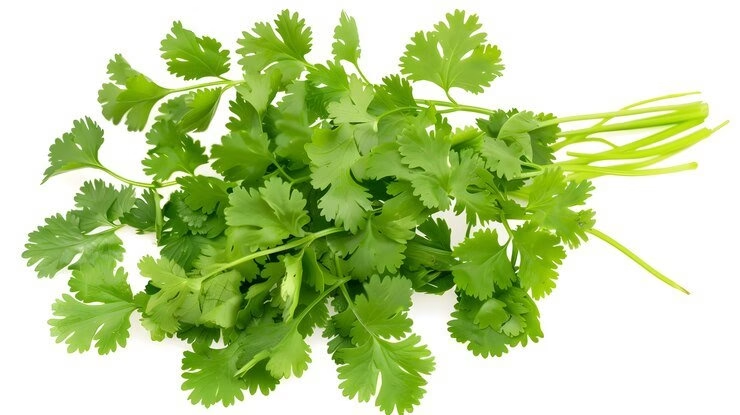
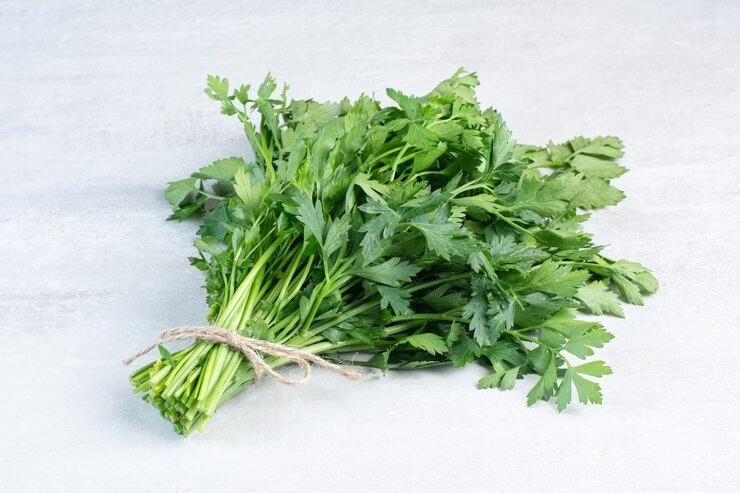
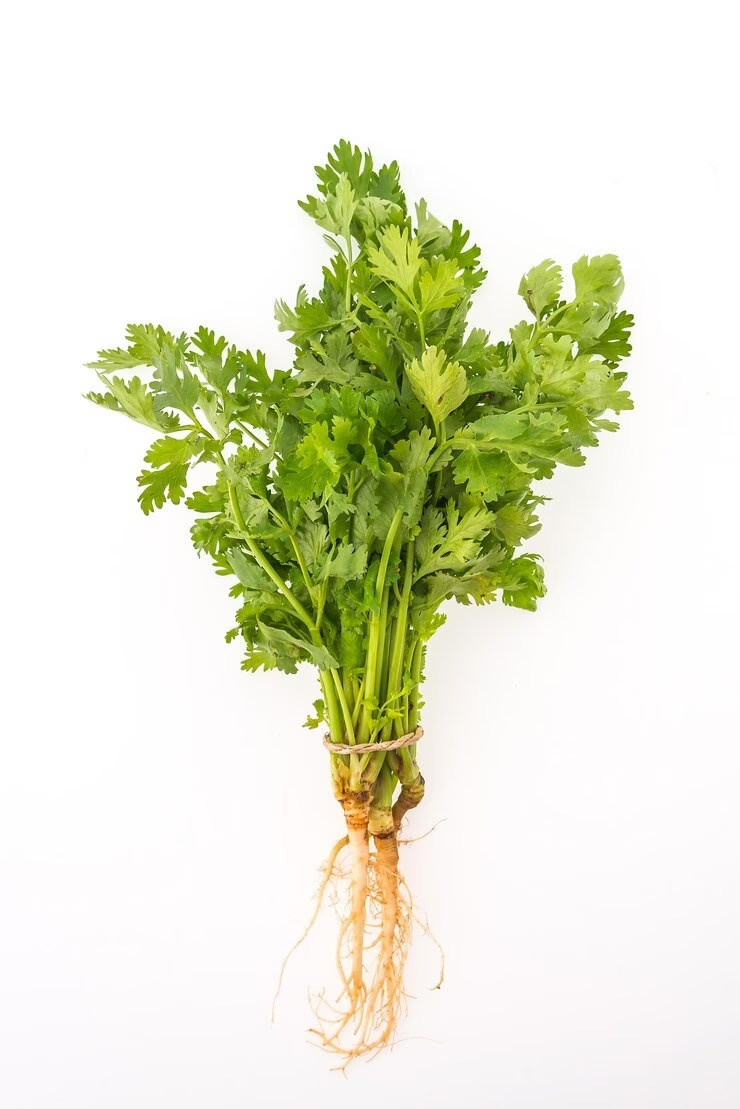
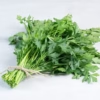
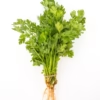
Leaves: Delicate, bright green, and feathery. The lower leaves are broader, while the upper ones are finely divided.
Flowers: Small, pale pink or white clusters that bloom in summer.
Seeds: Round, light brown, and ridged—used as a spice.
🔹 Culinary Uses:
Leaves (Cilantro): Common in Mexican, Indian, Southeast Asian, and Middle Eastern dishes.
Seeds (Coriander): Used whole or ground in spice blends like garam masala and curry powder. They have a warm, citrusy flavor.
🔹 Flavor Profile:
Leaves: Fresh, citrusy, and slightly peppery (though polarizing—some people taste soap due to a genetic variation).
Seeds: Earthy, sweet, and slightly nutty with citrus undertones.
🔹 Health Benefits:
Rich in antioxidants
Supports digestion
May help lower blood sugar and fight infections
Want a botanical, culinary, or medicinal angle expanded?
Coriander is a plant used in cooking. It has two main parts we use:
🌿 Leaves – Called Cilantro or Coriander Leaves
These are fresh, green, and have a strong smell.
Used in curries, salads, soups, and chutneys.
Added at the end of cooking or for garnishing.
🌱 Seeds – Called Coriander Seeds
These are small, round, and brown.
Used as a spice (whole or powdered).
Added to dishes like curries, sambar, or pickles for flavor.
👅 Taste:
Leaves – Fresh and a little citrus-like (some people feel it tastes soapy).
Seeds – Warm, slightly sweet, and a bit nutty.
So simply put:
Coriander = one plant with two uses – leaves and seeds – both tasty and healthy!



Reviews
There are no reviews yet.